Basic Calligraphy Strokes: The 8 Shapes Behind Every Letter
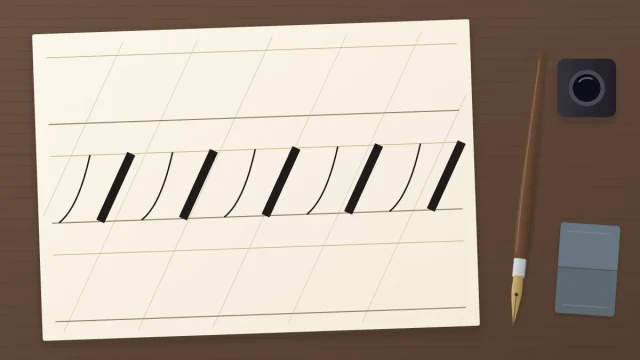
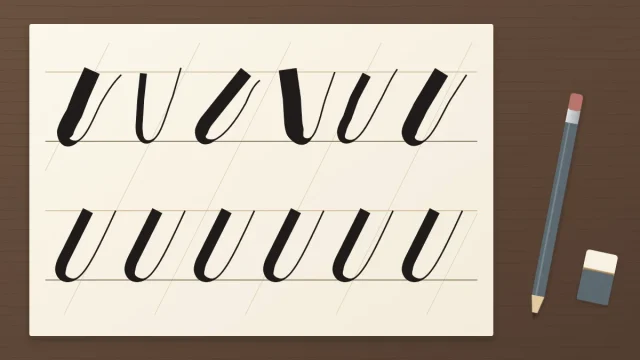
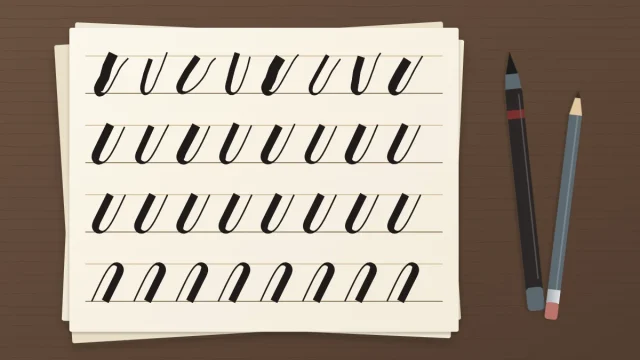
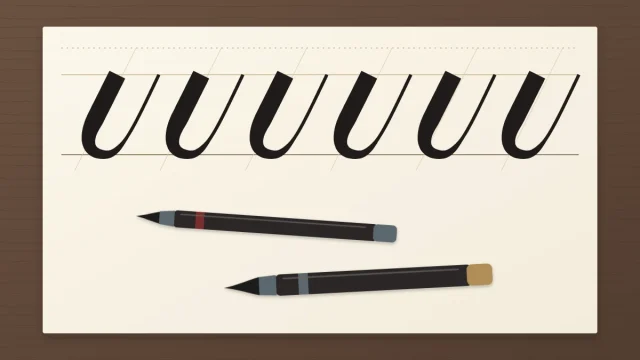
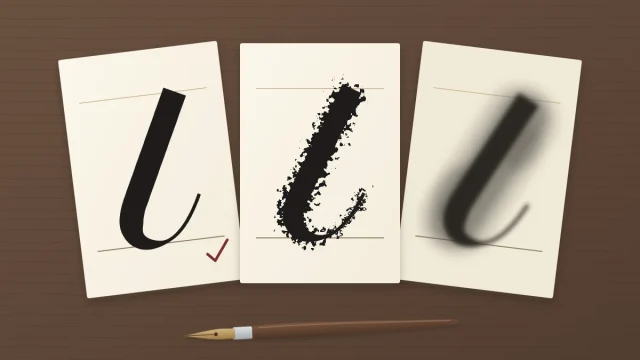
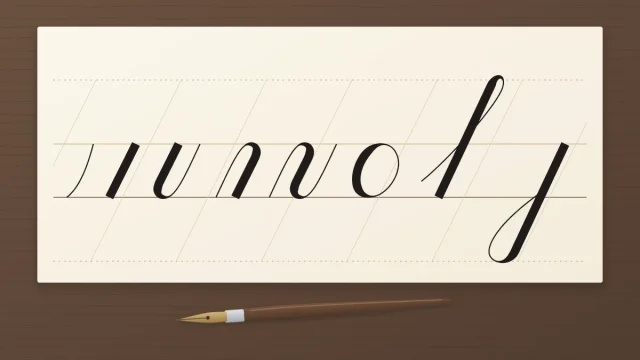
Meet the eight basic strokes of pressure-based calligraphy: what each one is, how the pressure changes inside it, which letters use it, and how to practice a row of each between guidelines.
Learn Beautiful Letterforms Step by Step
30 tutorials published
Meet the eight basic strokes of pressure-based calligraphy: what each one is, how the pressure changes inside it, which letters use it, and how to practice a row of each between guidelines.
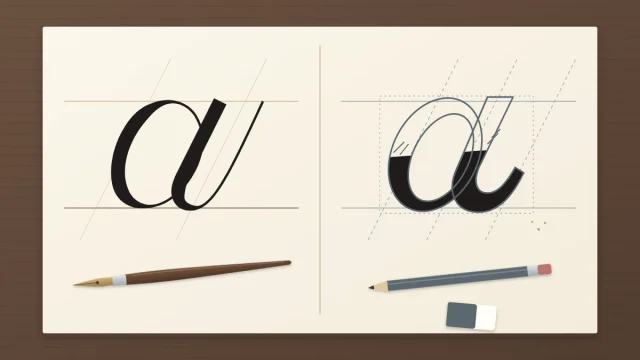
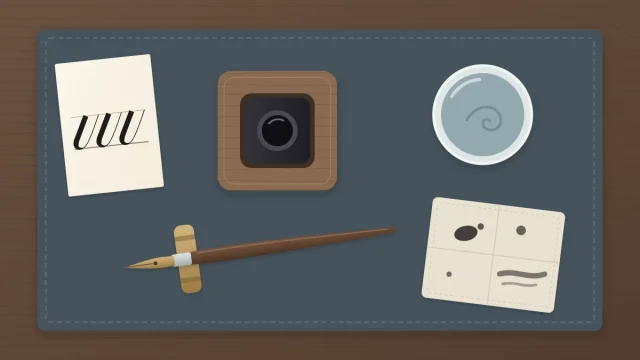
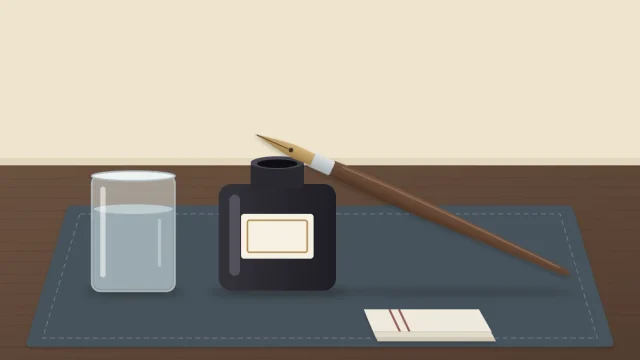
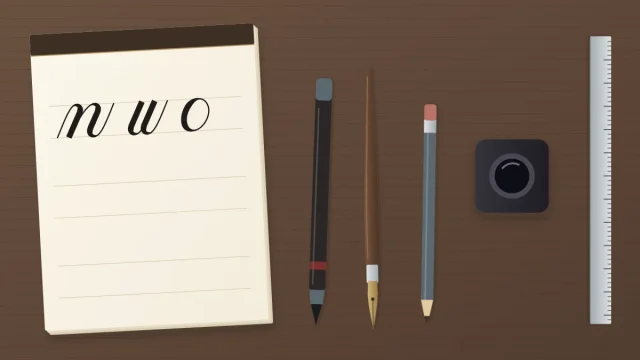
Two short starter kits, one built around a brush pen and one around a pointed dip pen, with what each item does, how to judge tools by type, and what can wait until later.
Calligraphy is written and hand lettering is drawn. See how that one difference changes the tools, the process and what you practice, so you can tell which craft you want to learn.
A plain orientation for your first weeks of calligraphy: what the craft is, which tool to pick, and why strokes come before letters and letters before words.
A batch project for a holiday table: cut and score tent cards, set up one set of guidelines for all of them, draft and center each name, ink, dry and erase.
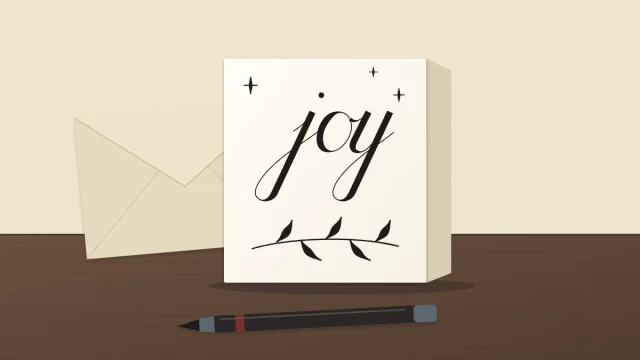
Write a one- or two-word greeting on a handmade card: test the card, rule light pencil lines, center the draft, ink it, and add a sprig, stars or a stroke border.
Ten problems that show up on almost every beginner's practice page, from shaky upstrokes to feathering paper, each with a likely cause and one specific thing to try.
A flexible four-part session shape for calligraphy practice: warm up, focus on one skill, write a few words, then review. Includes a suggested order of skills for your first weeks.
The main ink families described by type, what to read on the bottle, how deep to dip, how long to wait before erasing, and how to fix blobs and split strokes without making a mess.
A calm setup routine for a pointed nib and straight holder: the parts, seating the nib, washing a new nib in mild soapy water, how deep to dip, first strokes and cleaning up.
How a brush pen makes thick and thin strokes, which tip size suits small guidelines, how to hold it at a low angle, first exercises to try, and how to keep the tip from fraying.
What makes paper work for nibs and brush pens: a smooth surface, sizing and enough weight. Includes paper types to look for, types to avoid, and a two-minute test for any sheet.
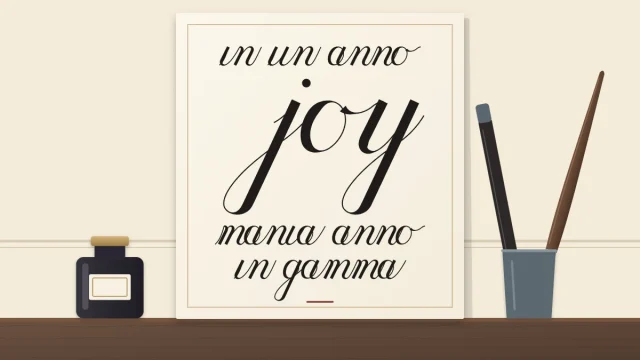
A worked example that takes a short saying in your own words from loose text to a finished page: key word, line breaks, two sizes, thumbnails, pencil draft and inking.
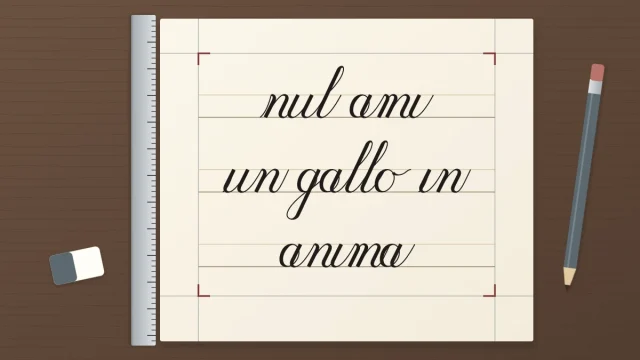
Plan a page before you ink it: thumbnail sketches, a full-size pencil draft, margins, line breaks, line spacing and a simple midpoint method for centering every line.
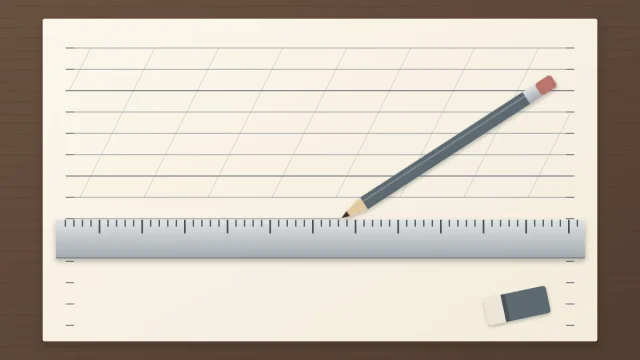
What the baseline, waistline, ascender, descender and slant lines mean, how to pick an x-height for your pen, and how to rule a reusable master sheet with a pencil and ruler.
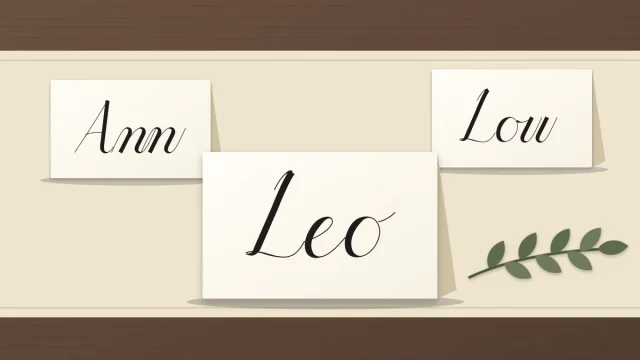
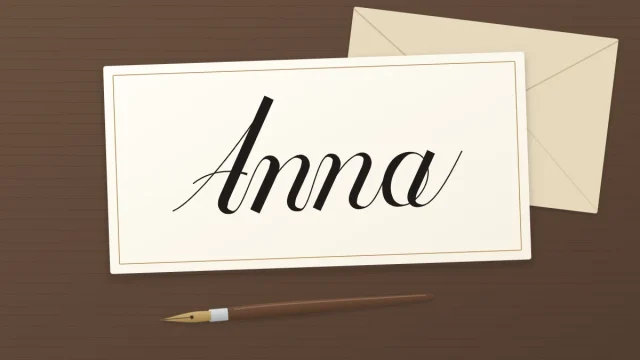
A step-by-step way to write a name well: draft it in pencil, decide how the capital meets the lowercase letters, keep the spacing even and center it on a tag or card.